Expo 2025 Osaka, Kansai · Japan
13 April — 13 October 2025
Togo in Osaka: saving lives, building growth that leaves no one behind
For six months on Yumeshima island, Togo brought to the World Expo the story of a country that puts human life at the heart of its development: health coverage, social safety nets, access to energy and water. A pavilion open every day, three landmark days in August, and a festival it was asked to coordinate.
The two themes
The two themes
Theme of the exhibition
Designing Future Society for Our Lives
Theme of the Togolese participation
A policy of inclusion and social protection for strong economic growth
184
days of exhibition
Commons D
pavilion zone
9 am – 9 pm
open daily
The participation
Saving lives, a choice that commits
In answer to the question raised by the Expo, Togo placed itself under the sub-theme “Saving Lives” — understood not as a health emergency, but as the act of shielding people from the dangers that threaten their existence and dignity: poverty, hunger, marginalisation, lack of access to care, to decent housing or to social protection.
That choice mirrors national priorities: universal health coverage, the Novissi social safety-net programme, rural electrification, access to drinking water and social housing, all set out in the Government Roadmap 2025.
Four objectives guided the participation: asserting Togo’s international commitment, promoting a people-centred model of development, showcasing its social innovations, and making the case for its culture and its investment opportunities.
A living pavilion, from morning to night
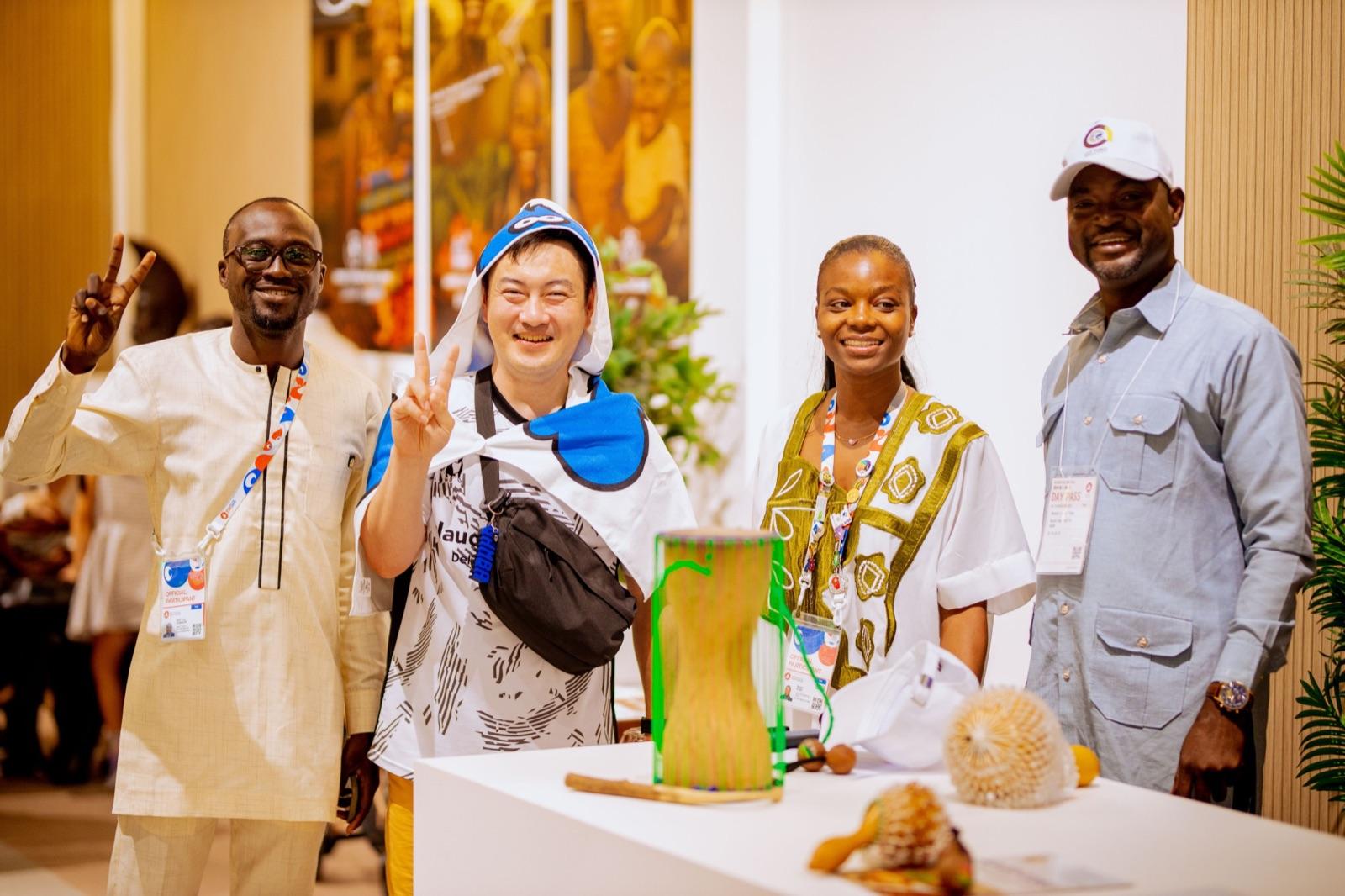
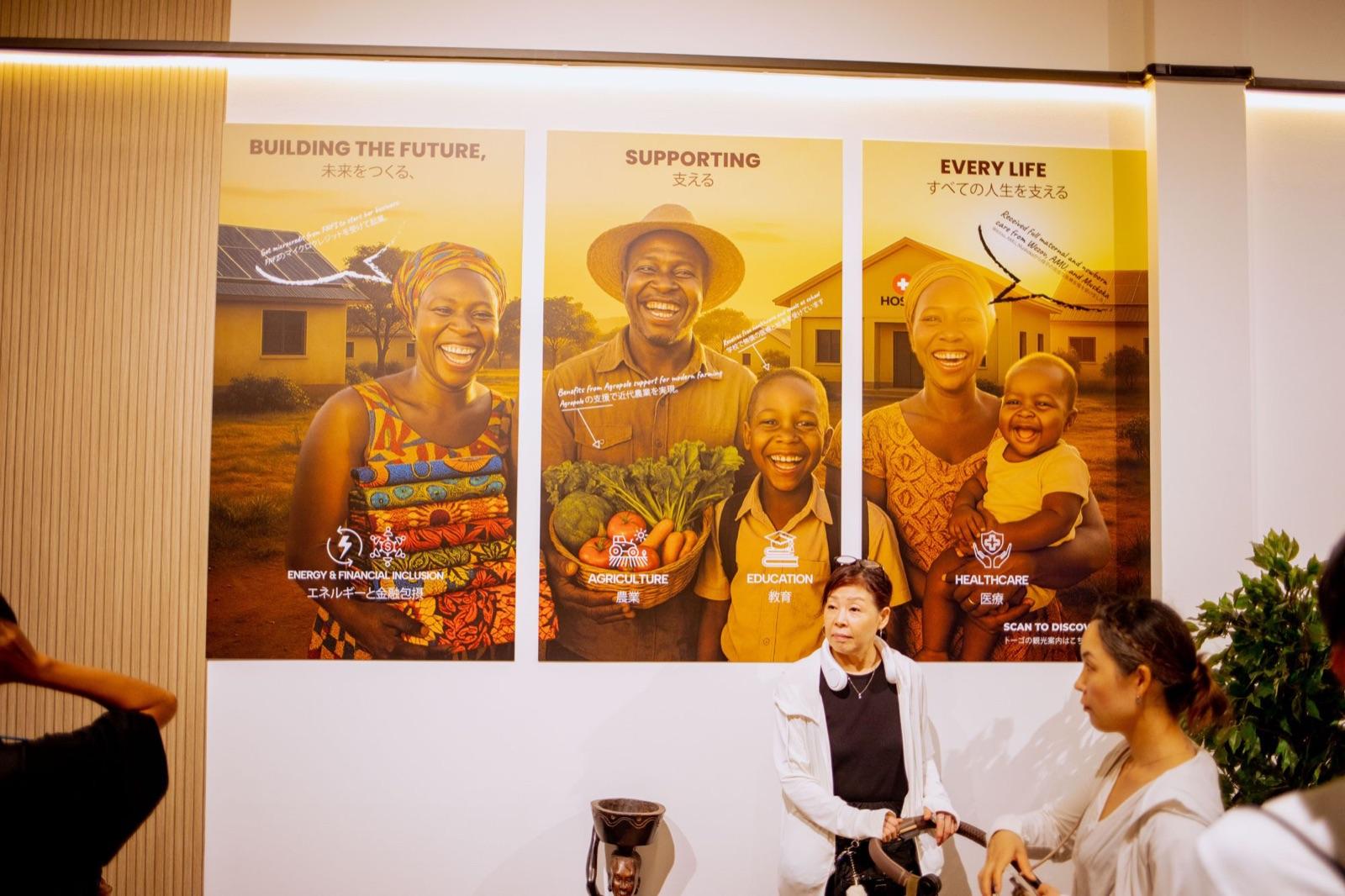
Set in the Commons D zone, the pavilion opened to the public on 13 April at 9 am. Large-format photographs and infographics showed what the social programmes have achieved; screens revealed the country’s landscapes and the faces of those these policies have reached.
A team of three based in Osaka took turns there every day under the pavilion director’s supervision, supported by Japanese volunteers provided by the organisers for reception, translation and guidance.
Visitors could handle traditional instruments and games, watch demonstrations and discover the country in a 360° projection. In early August, new fittings pared the route down and sharpened its message.
Pupils and students, families, entrepreneurs, official delegations: each found a way in — free primary schooling for some, the Port of Lomé, energy and digital technology for others.
The pavilion
A route in four sequences
On National Day, the Commissioner General presented the pavilion as an immersive experience in four movements.
01
Togo, a land of welcome and of the future
A peaceful, hospitable and culturally rich country at the crossroads of West Africa, open to the world and carried by a vibrant youth.
02
A small country, great ambitions
Reforms and innovations: inclusive digitalisation with Novissi, rural solar electrification with Cizo, the port of Lomé as a regional logistics hub, a diplomacy of peace.
03
When policies become realities
A 360° projection shows a Togolese village transformed by access to energy, education and health.
04
The champions’ farewell
Artists, athletes, creators: the figures who carry Togo’s colours abroad.
The calendar
Six months, from opening to closing
October 2022 — January 2025
Five meetings to prepare the ground
Togo took part in all five International Participants Meetings held by the Bureau International des Expositions and the Japanese committee. This is where technical, logistical and customs matters are settled — and where the pavilion was tuned to the “Saving Lives” sub-theme.
13 April 2025
The pavilion opens its doors
After a three-day full test of the site, from 4 to 6 April, the Expo opens on the artificial island of Yumeshima. The Togolese pavilion welcomes its first visitors at 9 am.
The name “Togo”, which has a meaning in Japanese, sparks curiosity: two Japanese visitors bearing it as a family name came to see the pavilion.
19 August 2025
Economic Day
At the Osaka Chamber of Commerce and Industry, around a hundred participants discover investment opportunities in Togo: a presentation, a panel on the economic outlook, then business meetings scheduled for thirty minutes that ran on until the closing reception.
The highlight of the day: the signing of a memorandum of understanding between the chambers of commerce and industry of Togo and Osaka, to exchange information and support entrepreneurs from both countries.
20 August 2025
The open stage
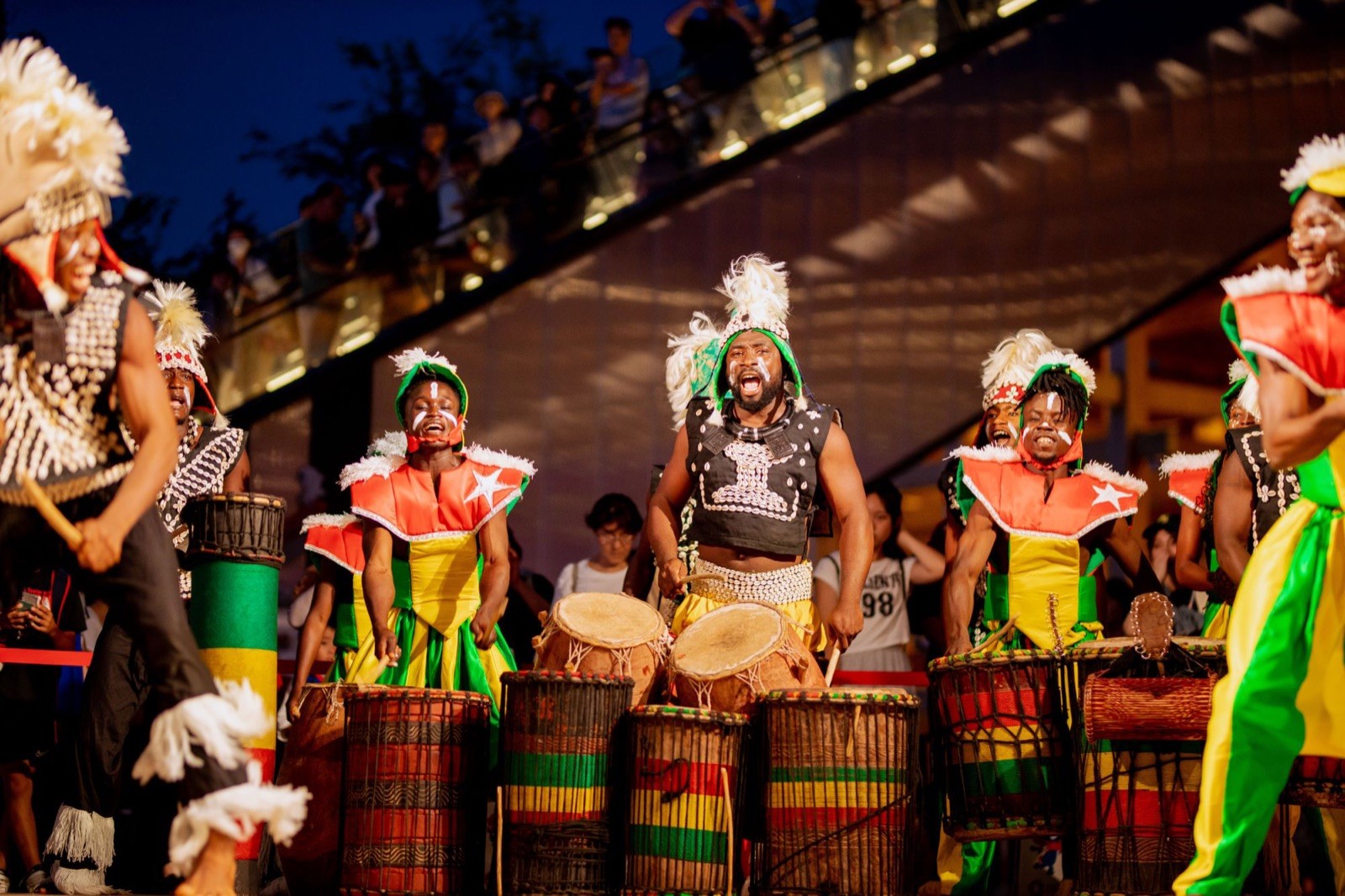
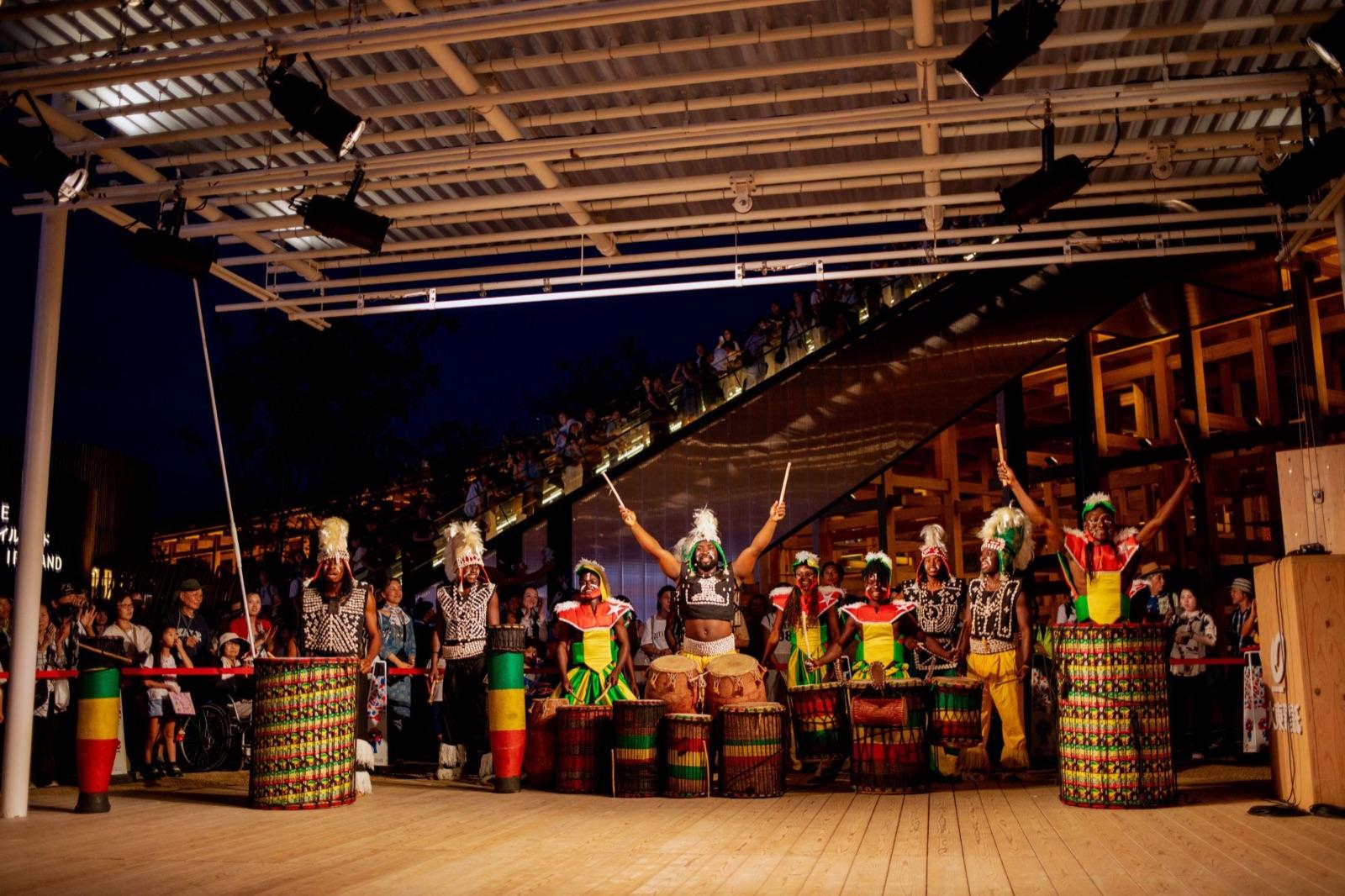
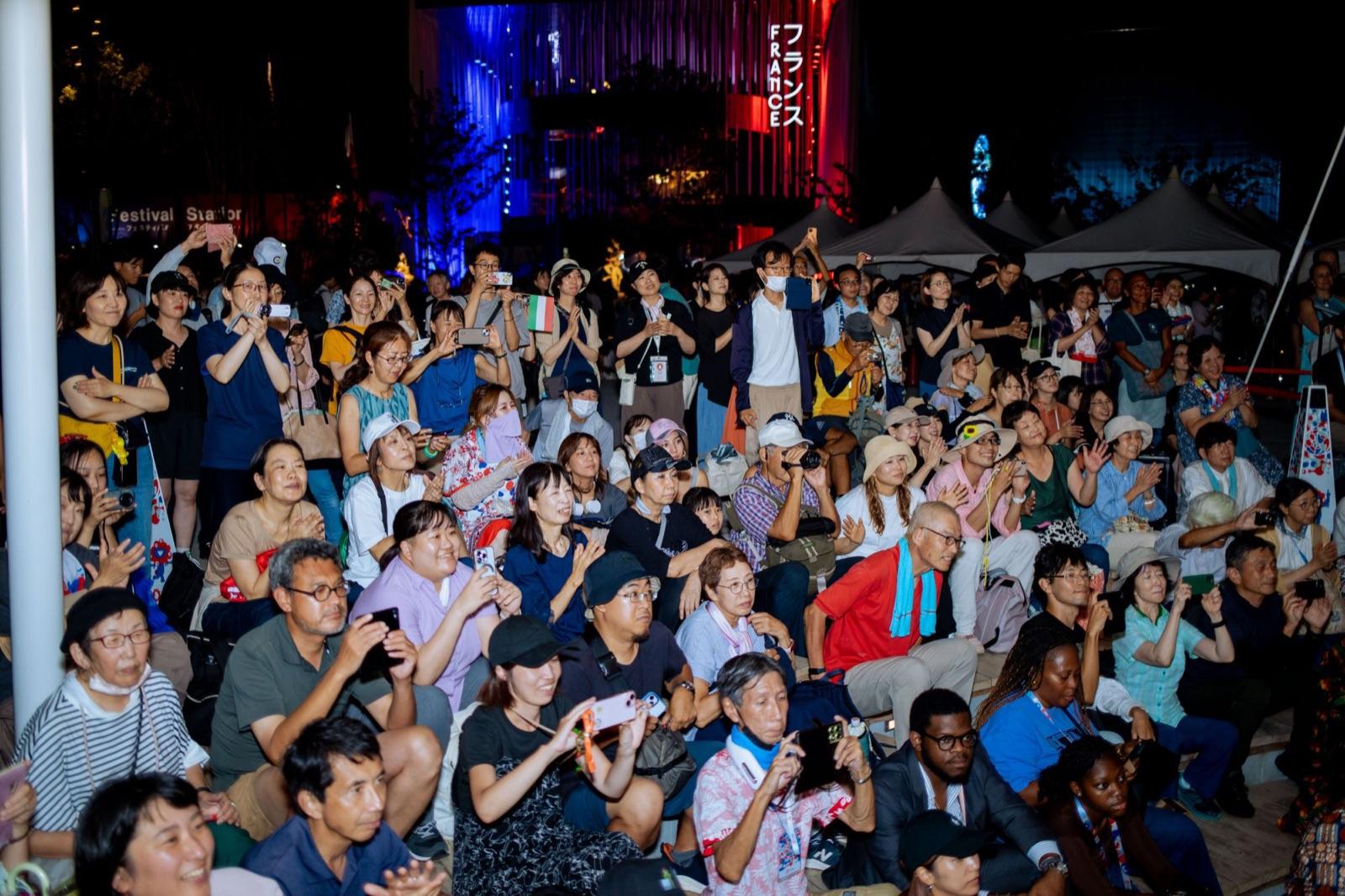
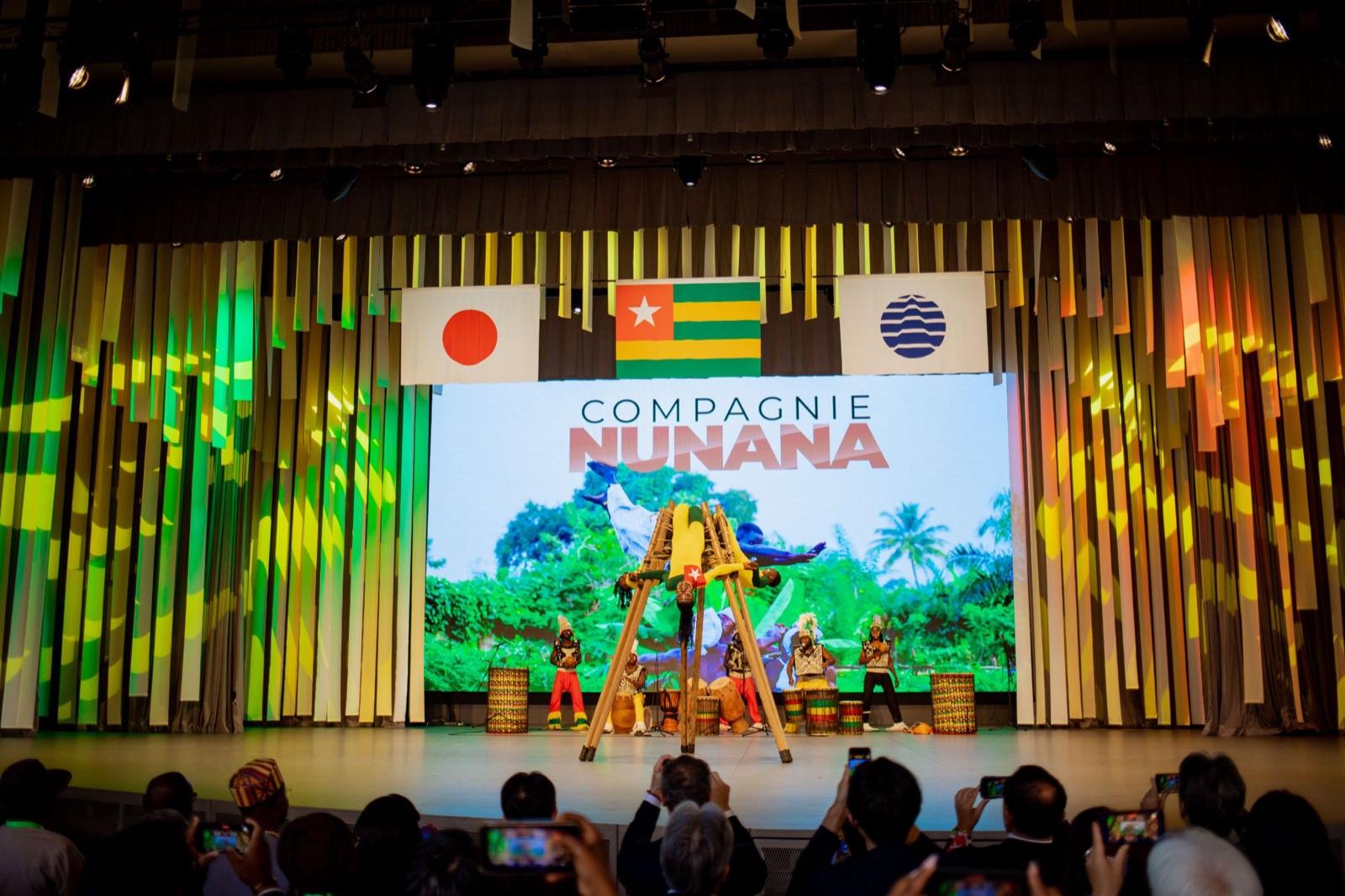
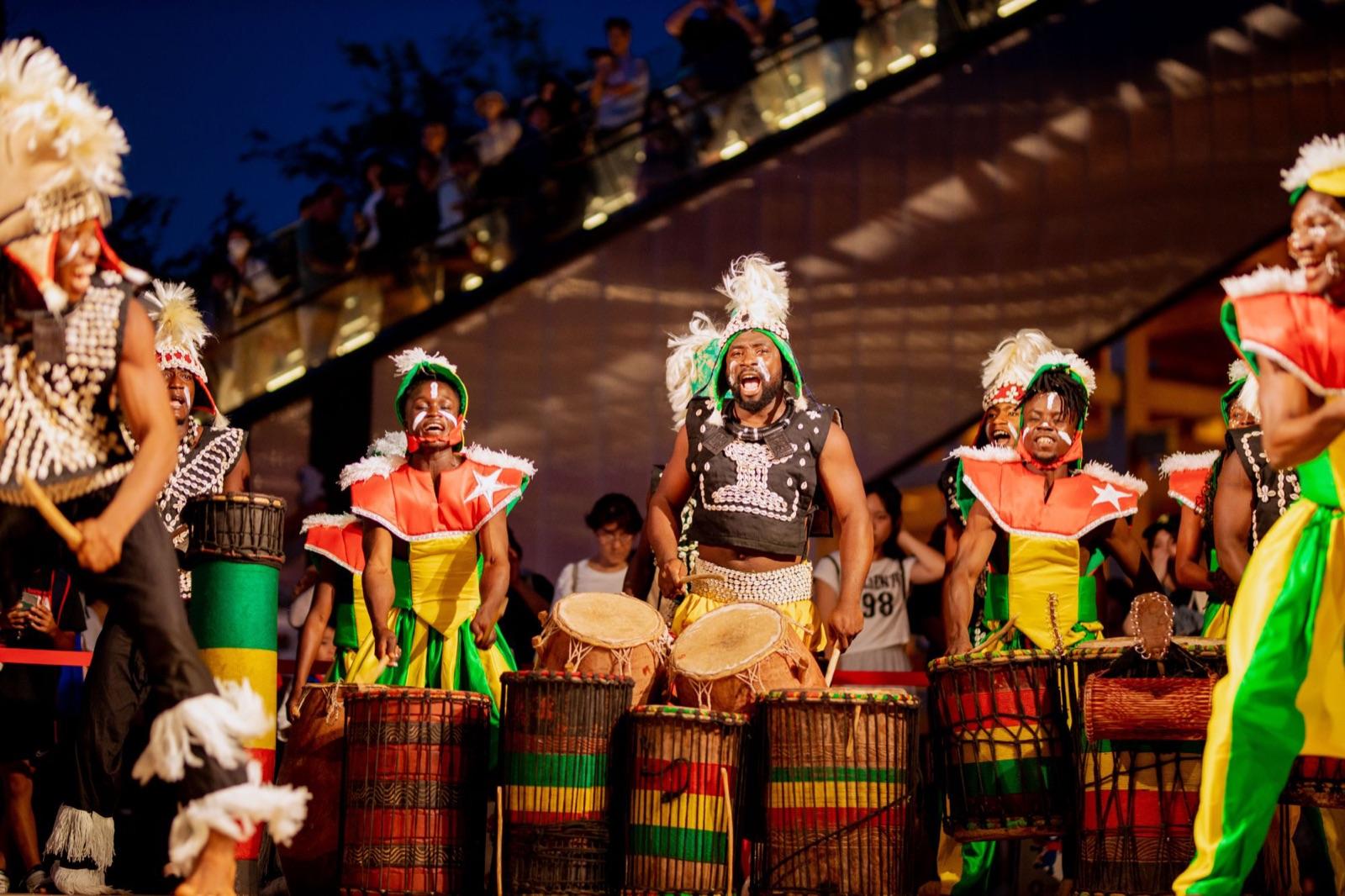
On the Pop-up Stage West, the Nunana company and King Mensah present Togo’s artistic heritage. Japanese volunteers try a few dance steps alongside the artists, to laughter and applause.
21 August 2025
Togo’s National Day
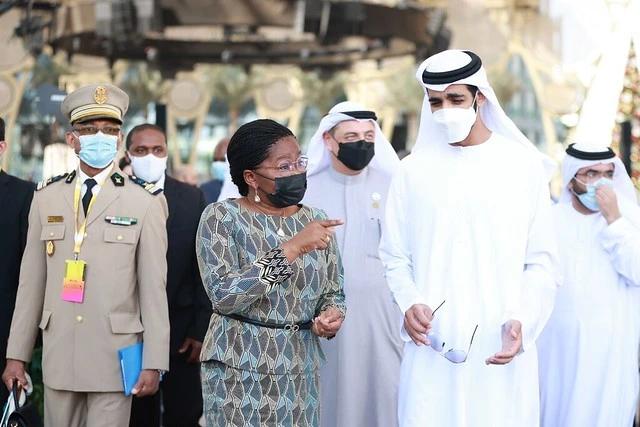
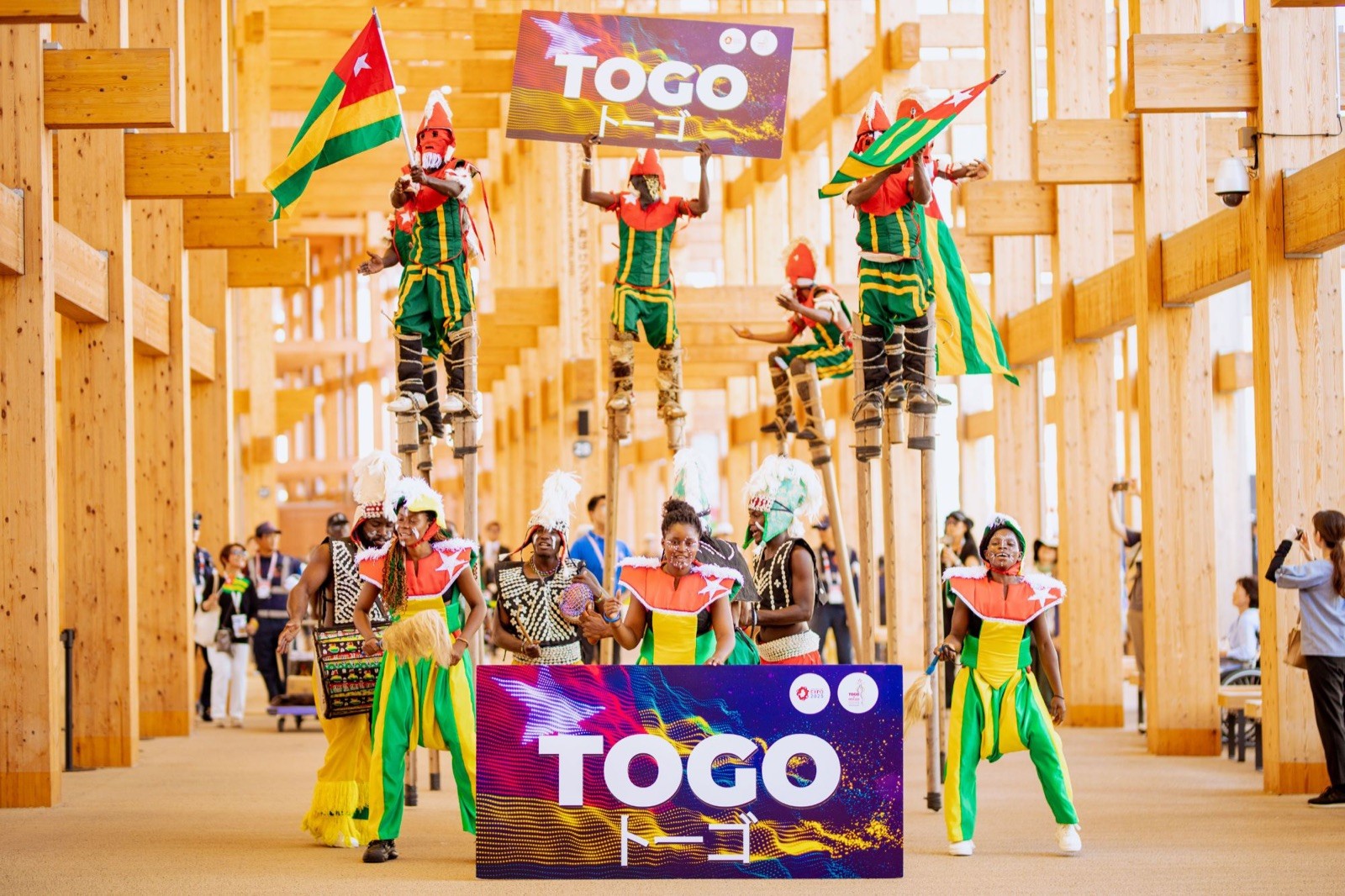
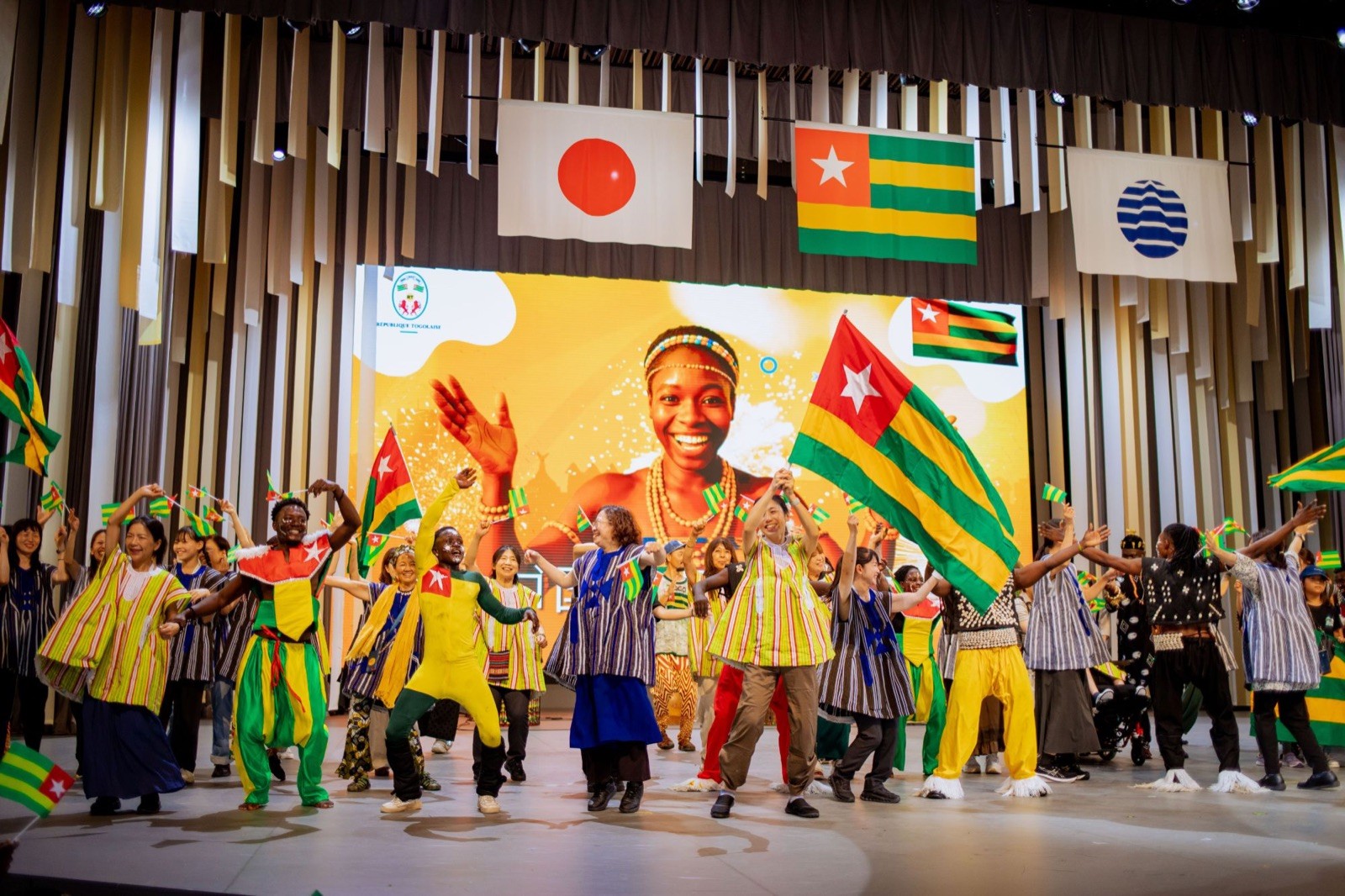
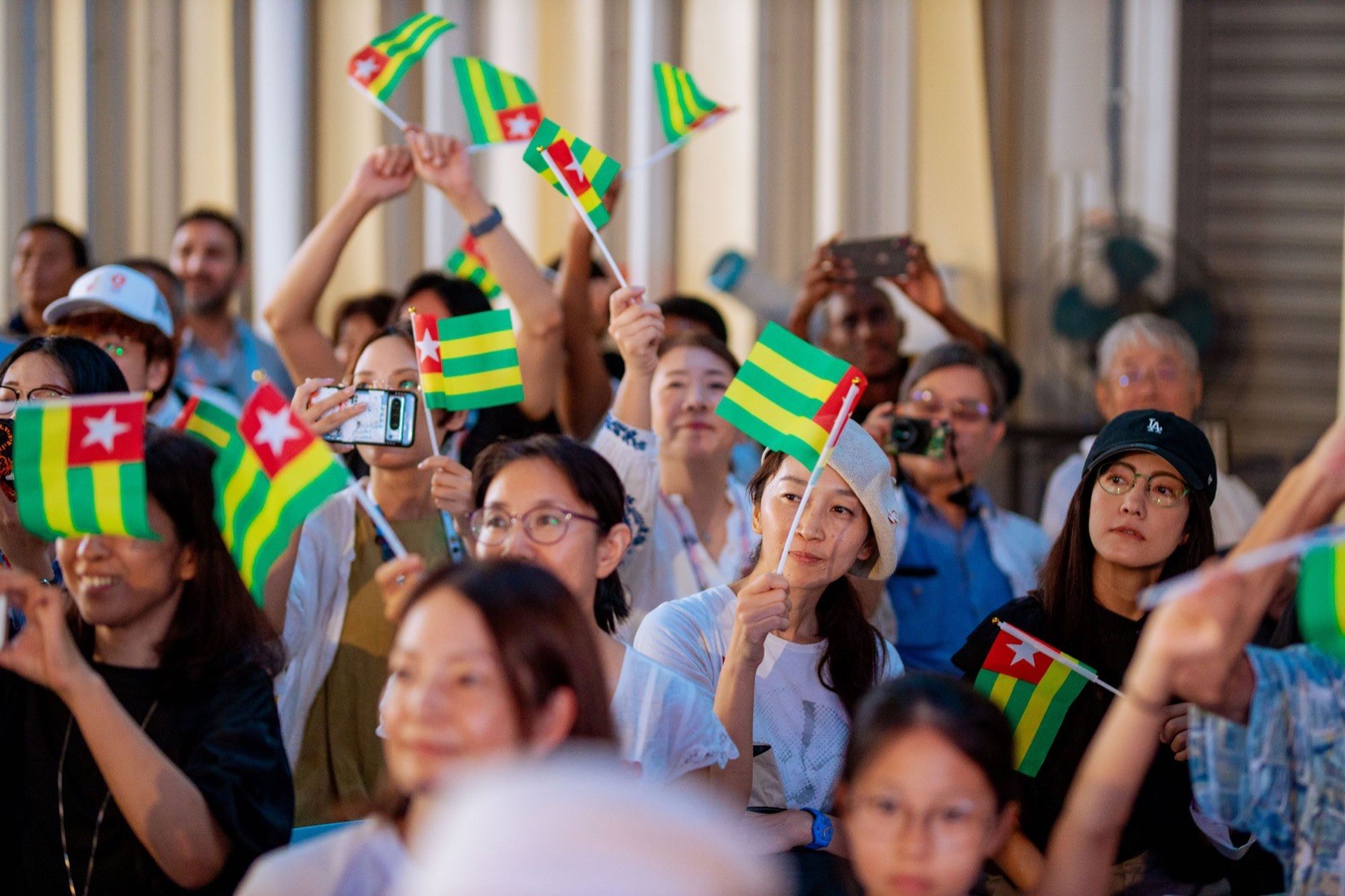
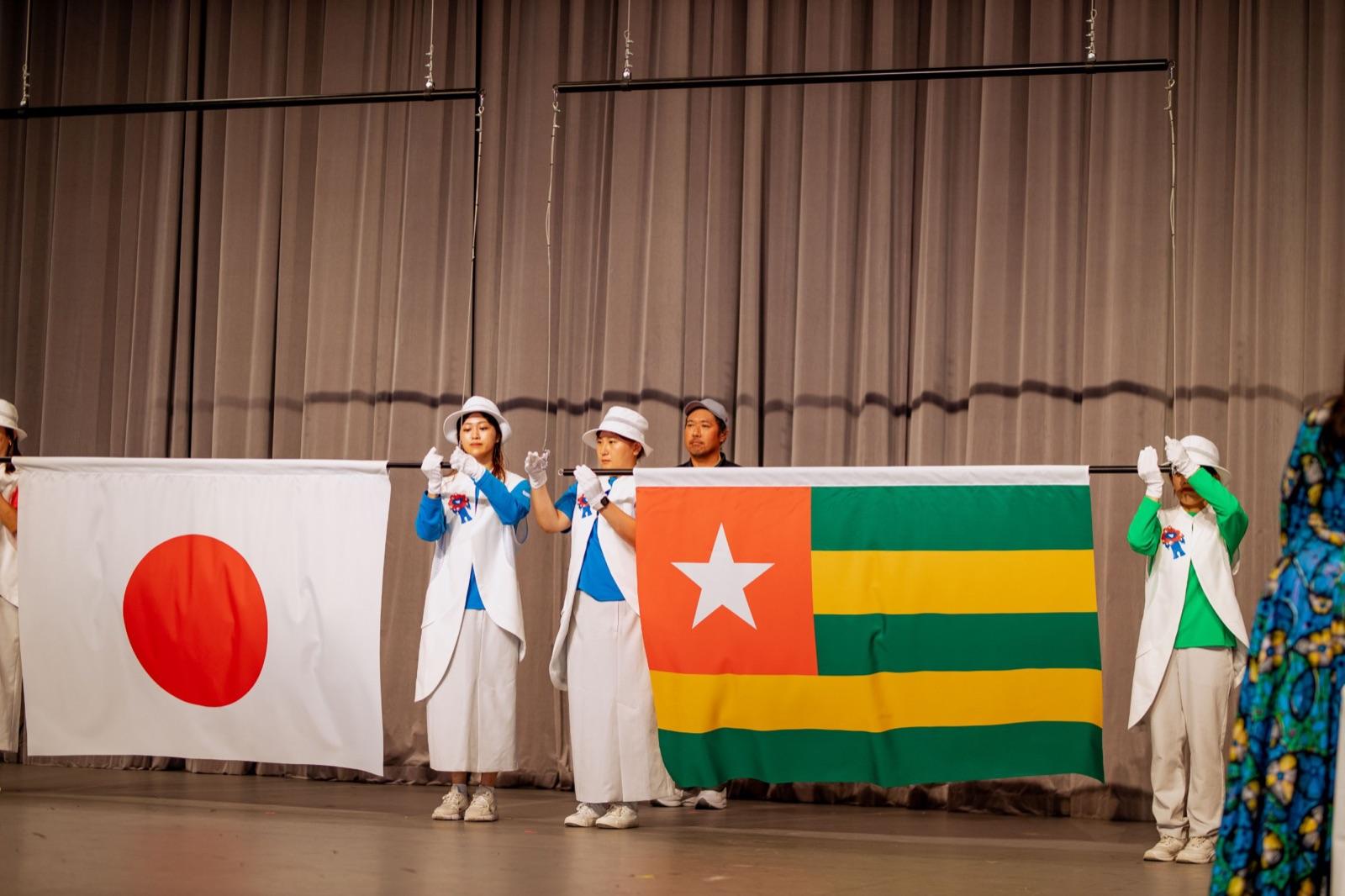
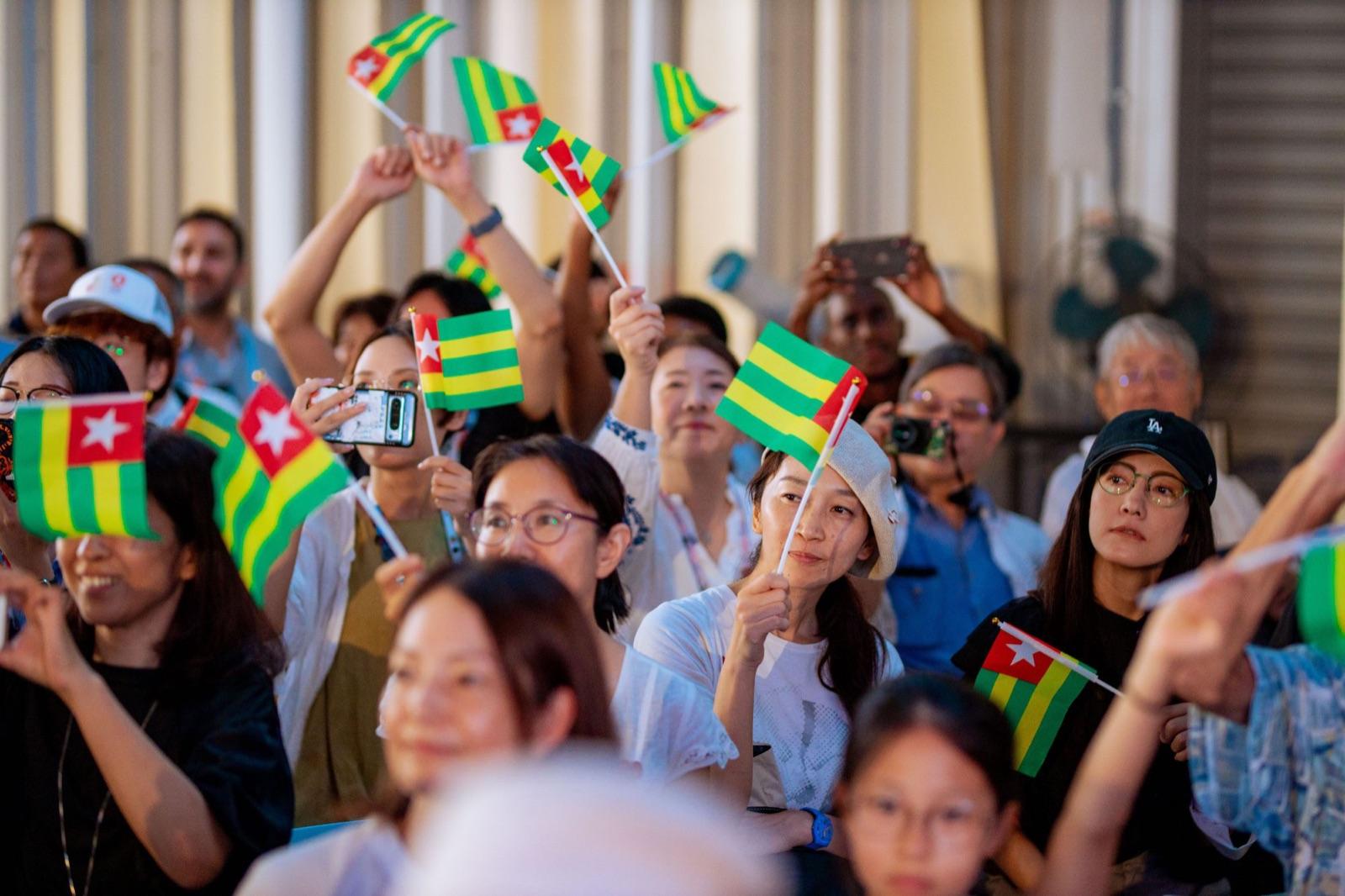
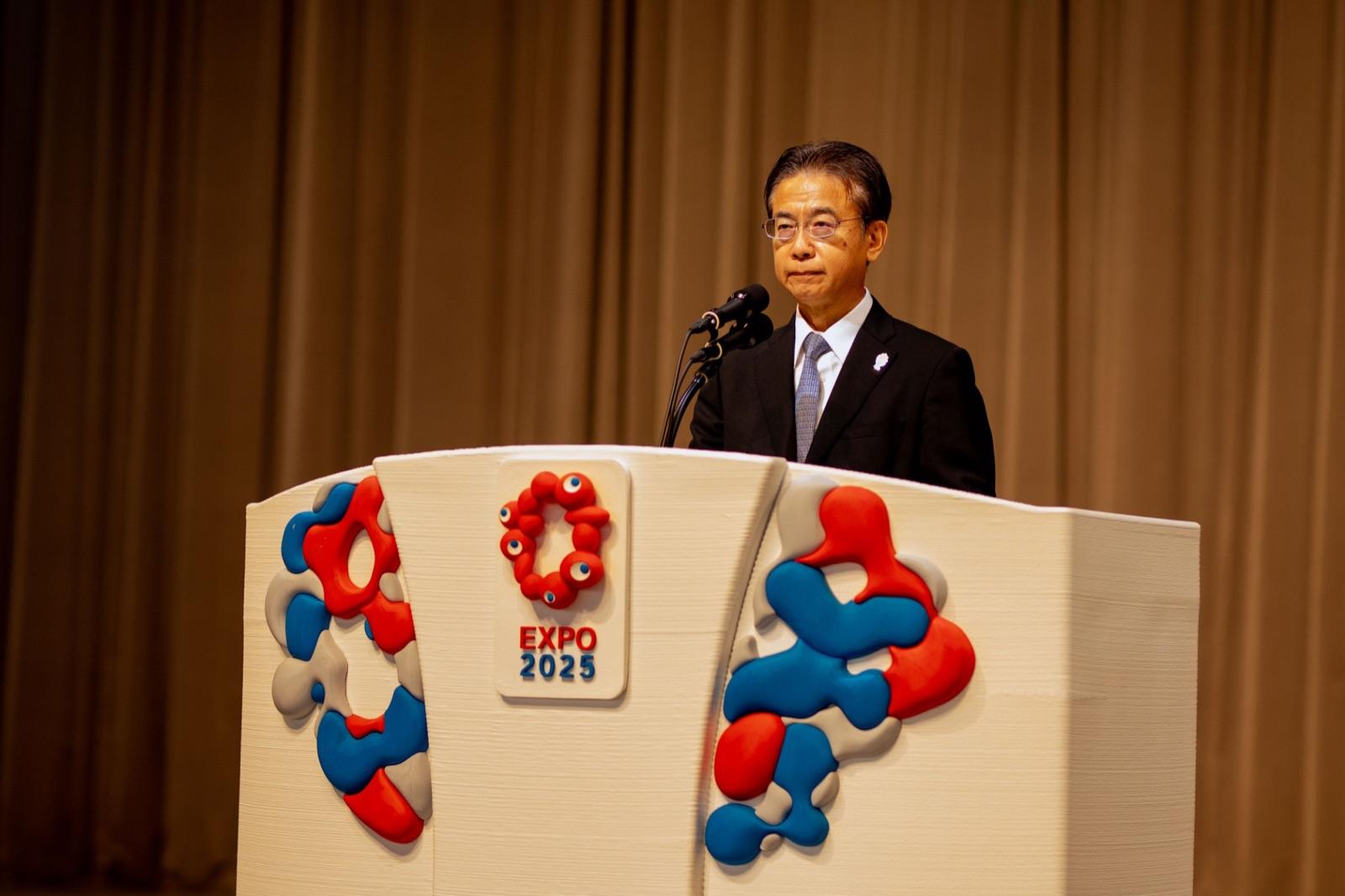
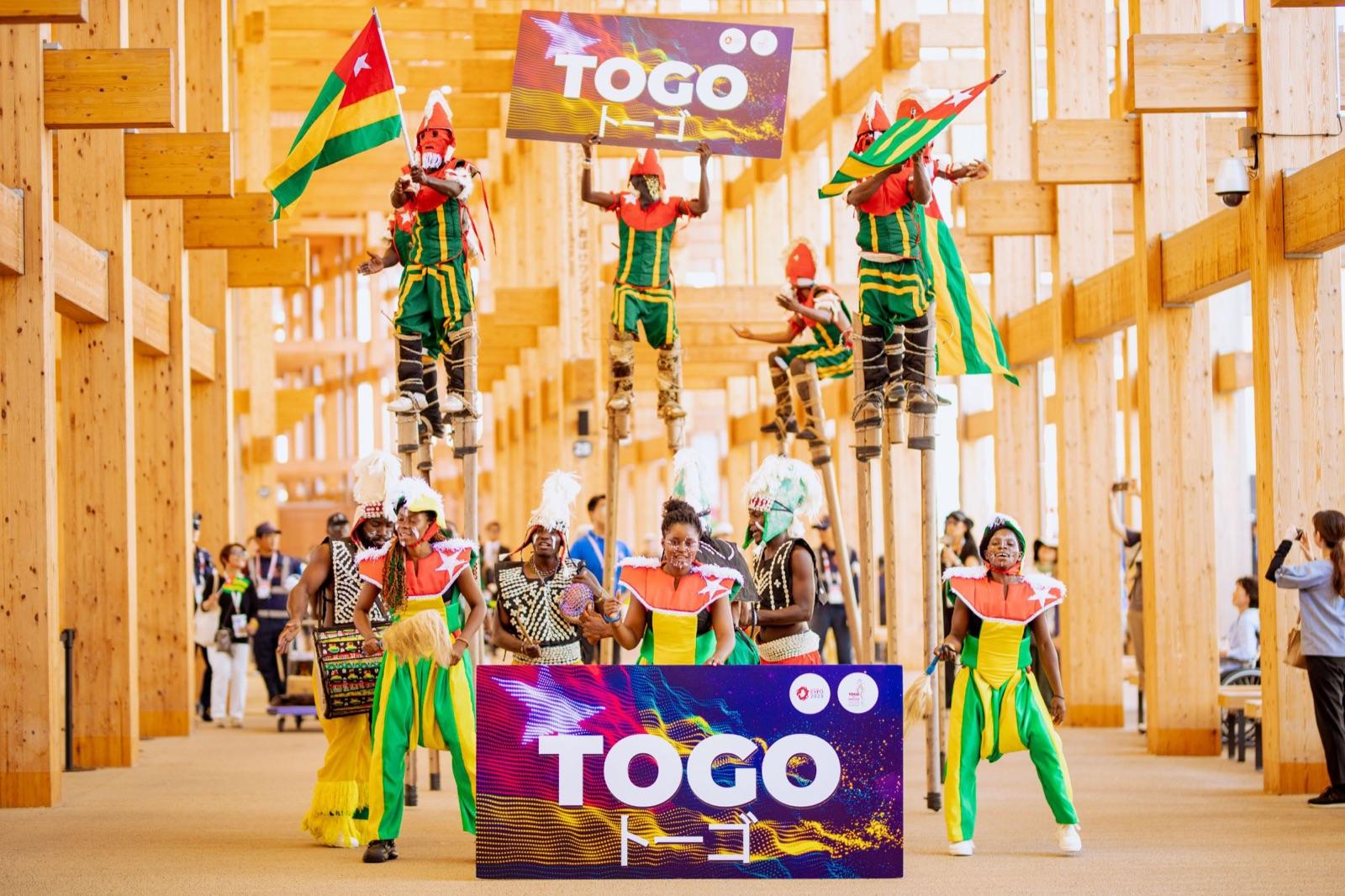
From the morning, a parade of dancers, drums and stilt walkers crosses the avenues to the National Day Hall. At 11 am, the official ceremony opens with the anthems of Togo and Japan, before some 500 people and representatives of a dozen friendly countries.
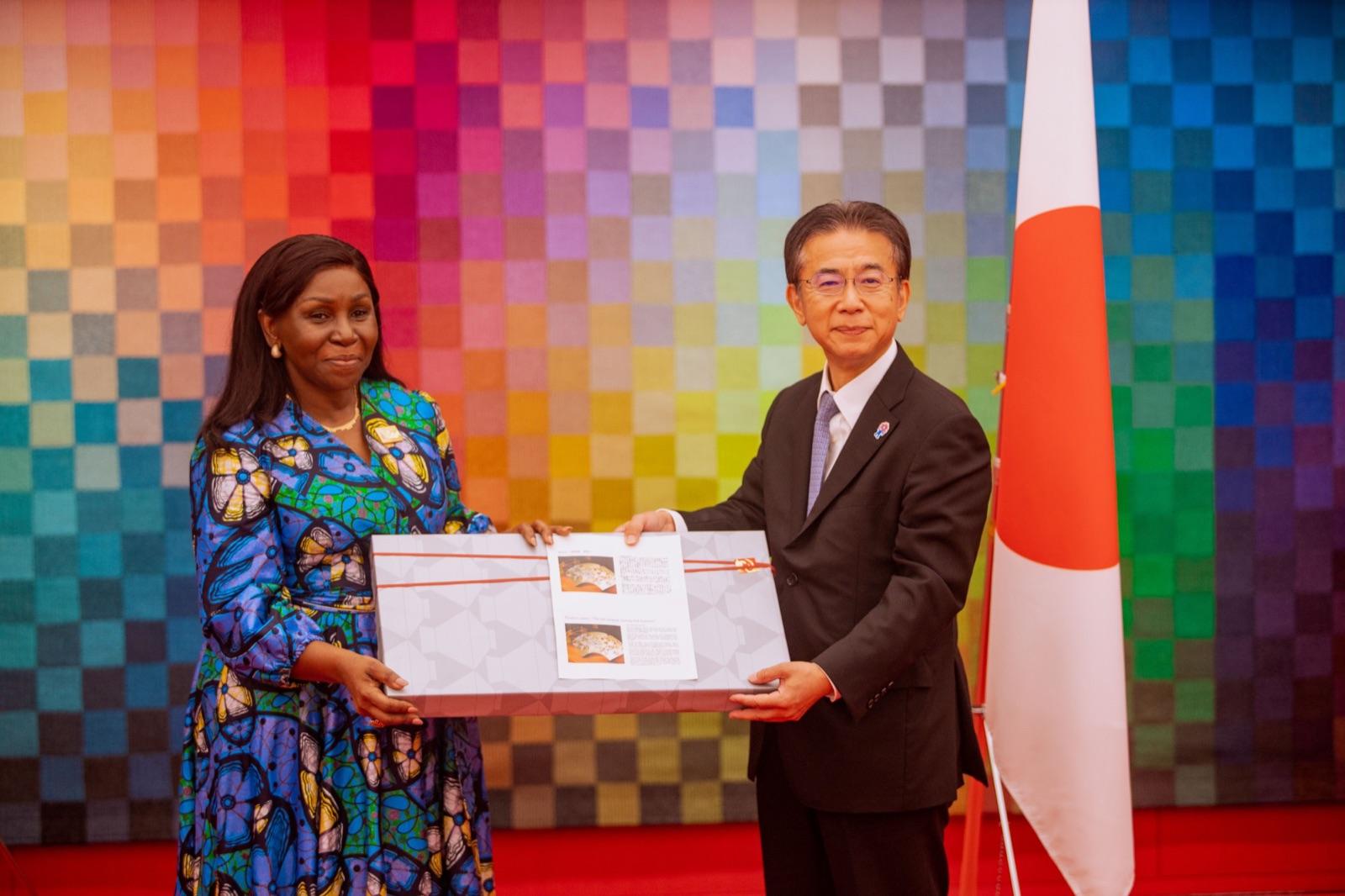
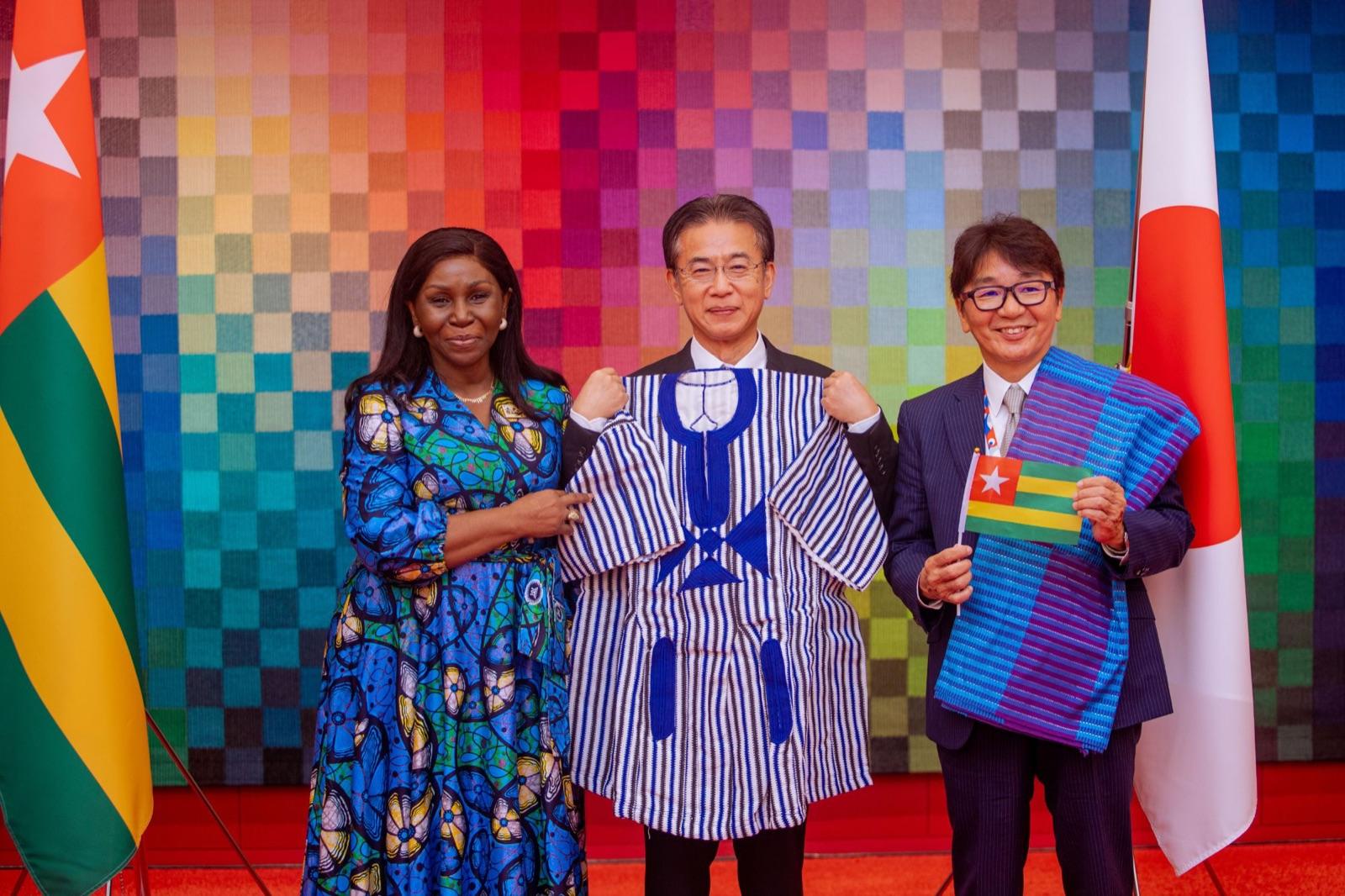
Ms Rose Kayi Mivedor-Sambiani, Minister of Trade, Crafts and Local Consumption and head of the delegation, recalls a friendship dating back to 1960. The stage then goes to the Togolese-Japanese group Avoudé, King Mensah, Nunana and the stilt walkers, joined by the mascot Myaku-Myaku and by Japanese guests dressed in the batakali.
30 September 2025
The Commons Music Festival
Recommended to lead the organisation of the Commons days — more than sixty countries — Togo coordinates at the Matsuri Arena a festival of music and dance with Burkina Faso, Guinea, Madagascar and Tunisia, along with craft stalls.
11 October 2025
An oak for Togo
The organisation Forest Civilisation symbolically presents Togo with the 107th of the 130 trees planted on the site, each dedicated to a participating country.
13 October 2025
The closing
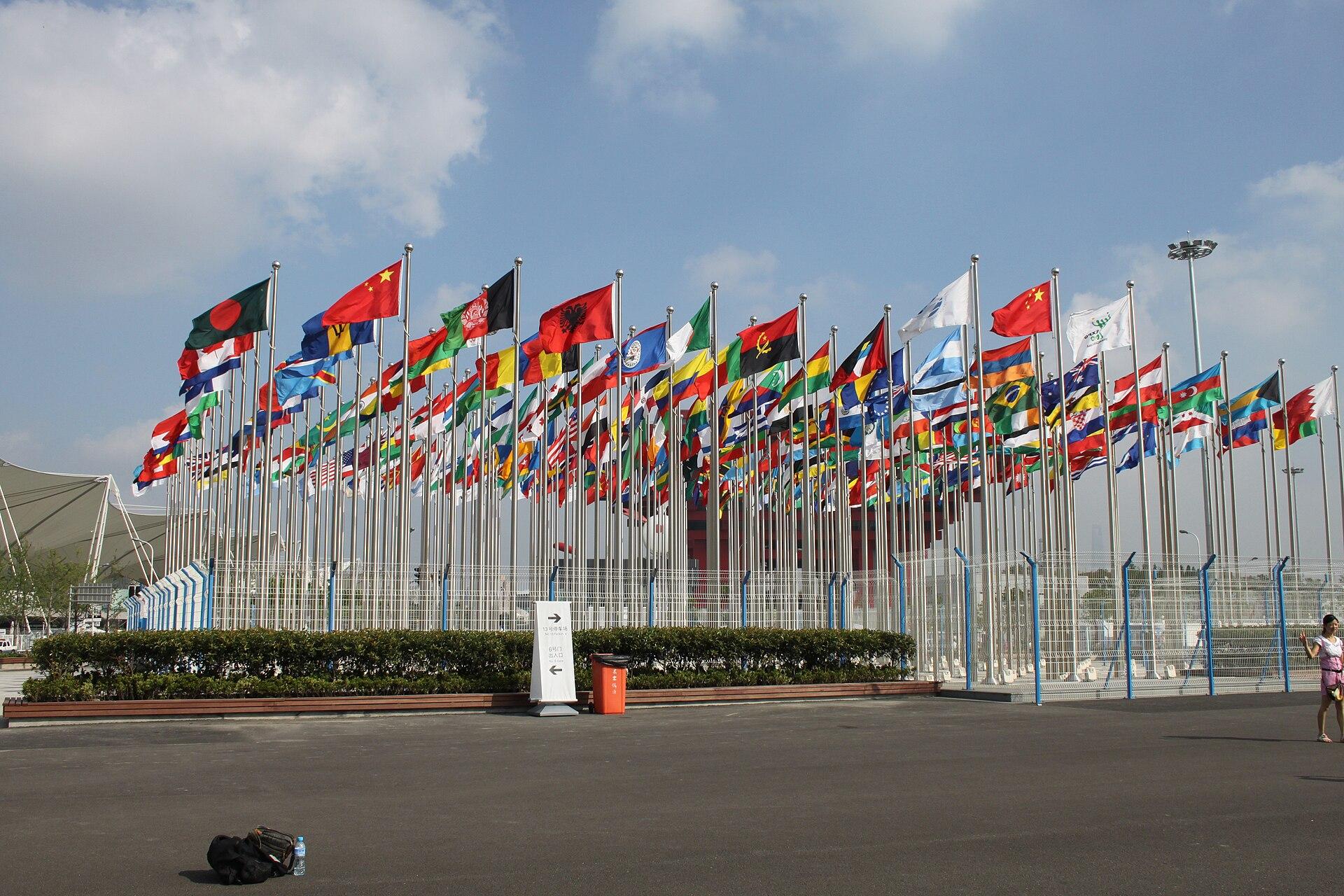
After 184 days, the Expo closes at the Expo Hall “Shining Hat”. The flags pass to Riyadh 2030, and to Belgrade and Yokohama 2027 — where Togo already has a date.





The results
The effect of the national days, in figures
- +37.5%
- daily visitors to the pavilion after the national days
- 11,000
- visitors a day, up from 8,000
- ≈ 500
- participants on National Day
- ≈ 120
- participants on Economic Day
- 01
- memorandum between the Togo and Osaka chambers of commerce
- 28 M
- Expo visitors, for 165 countries and organisations
Visitors’ words
Visitors’ words
It is the first time we have seen these dances and heard about Togo — it is fascinating.
A couple from Osaka, after the 20 August show We particularly appreciated the Togo Pavilion, one of the few to place the country clearly on the world map while presenting key information in a clear, schematic way.
A French visitor, July 2025 Come and see. Come and believe. Come and build with us. Welcome to Togo.
The Commissioner General of Togo, National Day
Stamps from 1970, kept for fifty years
Among the most memorable visits was that of a Japanese enthusiast who came to show a sheet of Togolese stamps issued for the 1970 World Expo — already in Osaka. He had kept them for more than fifty years.
He told their story with emotion: a simple gesture, and a reminder that the smallest things sometimes carry the greatest messages.
What Togo brings back from Osaka
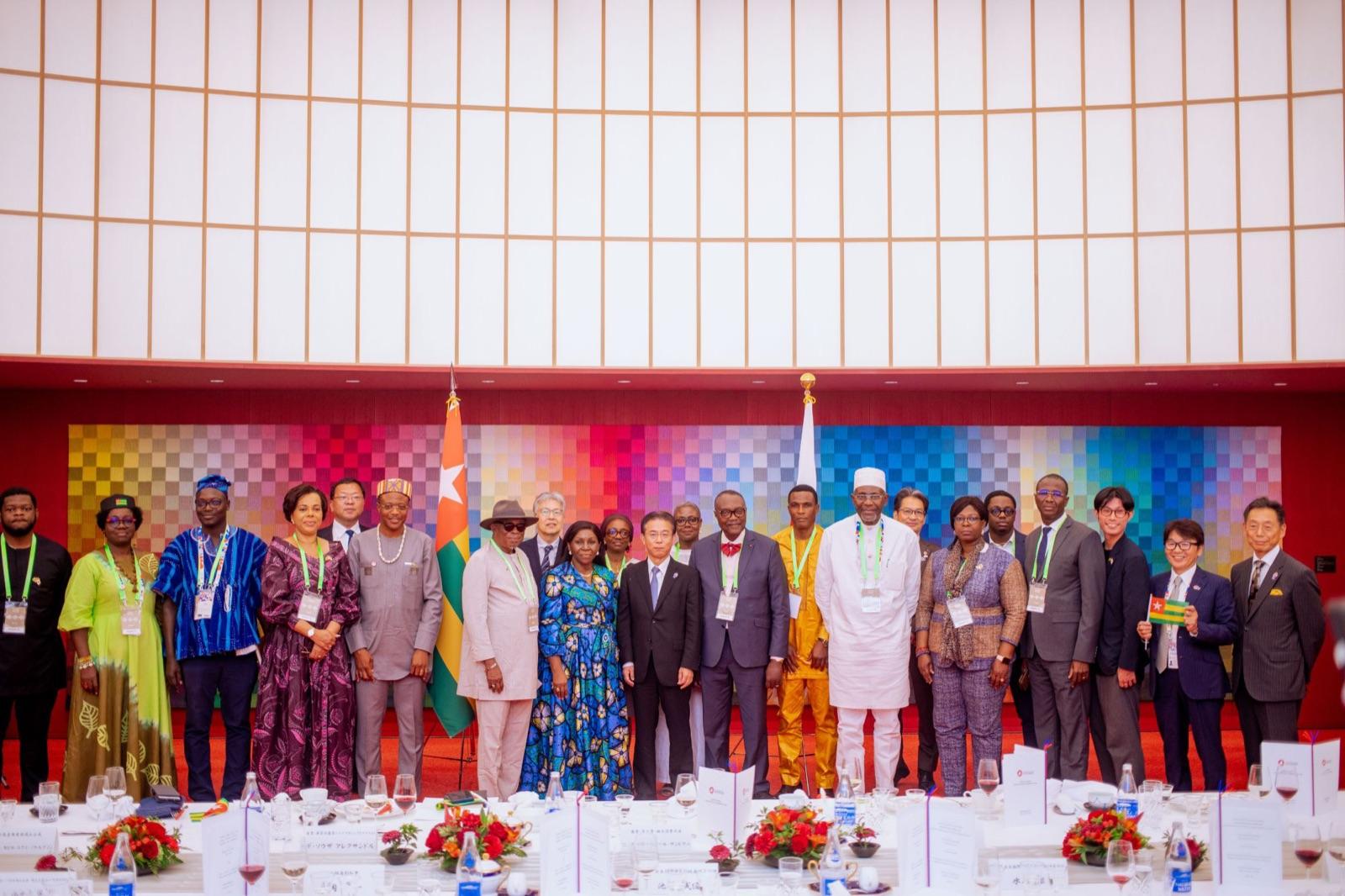
Togo presented itself as a stable, ambitious country, committed to social inclusion and open to partnerships. The agreement between chambers of commerce and the business contacts made lay concrete foundations for trade and investment.
The cultural programme was a powerful vehicle of soft diplomacy, creating bonds of friendship and mutual understanding between Togolese and Japanese people.
The Expo was a starting point, not an end: its full success will be measured by the partnerships that take shape, and at the next gatherings — Yokohama and Belgrade, in 2027.
Media library
Osaka in pictures
Nineteen photographs of the parade, the ceremonies, the concerts and the pavilion. The full album is on Flickr.